


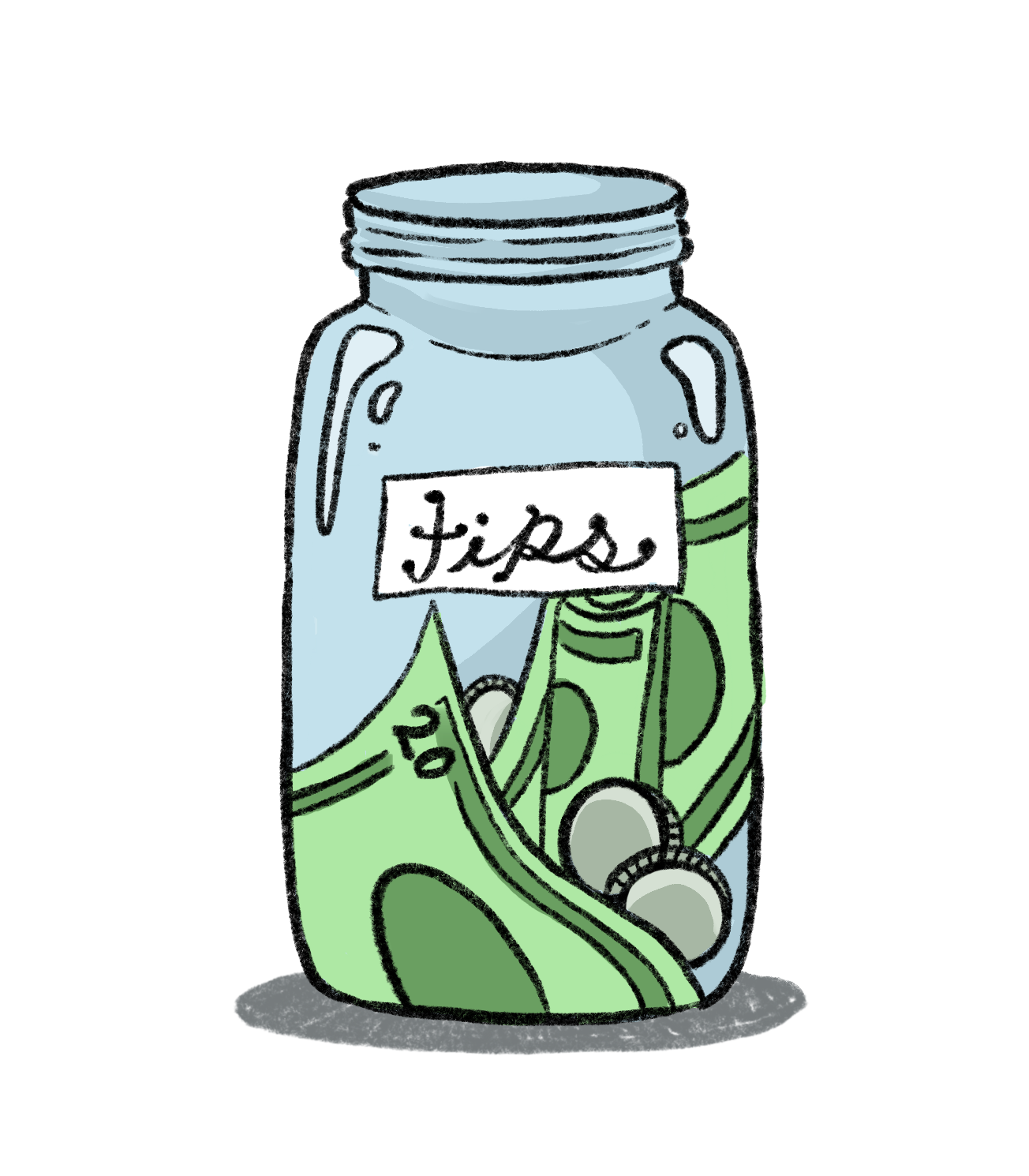
It’s no secret that tipping in the US has reached an all-time high. It seems like anytime you enter an establishment, you are expected to tip 18-25 percent, regardless of the service provided. Tipping has gone from an optional way to express your gratitude to a mandatory part of the payment. A 2023 Pew Research study found that 72 percent of people believe most establishments expect tips.
Of course, there are many instances where tipping is perfectly acceptable. For example, if someone has done an exceptional job with service, it would be polite to offer a tip. But when you are asked to tip 15 percent for the worker who only rang up your self-serve ice cream, is it really necessary?
Let’s not forget that, in California, businesses are not legally allowed to count tips as part of their employees’ pay, unlike some other places in the U.S. Senate Bill No. 648, passed in June 2025, states that all employers must pay at least the minimum wage of 16.90 dollars, regardless of whether their employees work in a tipping position. This means that many tipped workers in California do not have to make a living off of tips, instead getting paid their full salary by their employer.
Tipping first started in Europe, when aristocrats would pay servants extra money for excellent work. Wealthy Americans visiting Europe brought the idea back home with them, where it quickly gained favour with business owners. Many European countries quickly dropped tipping, but it gained more popularity in the U.S. White employers discovered that they could pay Black employees less if they said part of their pay included tips, lowering their minimum wage. This practice continued to grow and spread until we earned our reputation as the country with the highest tipping percentage.
Ever since the arrival of digital payment checkouts, the expected amount for tips has only grown higher. The rate of tips first started to rise during the lockdown as a way for people to express their gratitude for those in customer service still working during the worldwide shutdown. The percentage of tips in America increased from 10-15 percent to 20-25 percent after COVID-19 broke out. Three years later, those rates still haven’t come down.
The immediate answer to the public displeasure is to get rid of the pressure to tip, like the majority of Europe. Unfortunately, it is not that simple. In California and six other states workers do not rely on tipping to make a living wage, but everywhere else in America has yet to implement the same rules. If tipping were suddenly removed, it would leave those service workers with no way to make even minimum wage.
The first step towards change would be implementing the same policy that protects California workers from having tips taken out of their wages. That way, every worker would be able to earn minimum wage regardless of their tips.
People are unhappy with the constant bombardment of tip requests at the checkout. Tipping culture in the U.S. has to change before tips become more expensive than the actual product.



Oliver "Oblivious" Orlando • Mar 30, 2026 at 10:01 AM
Wait, THAT’S what ‘tipping’ means? I guess that explains why the workers at my favourite soup restaurant always give me weird looks when I tell them insider information about competing soup businesses.