
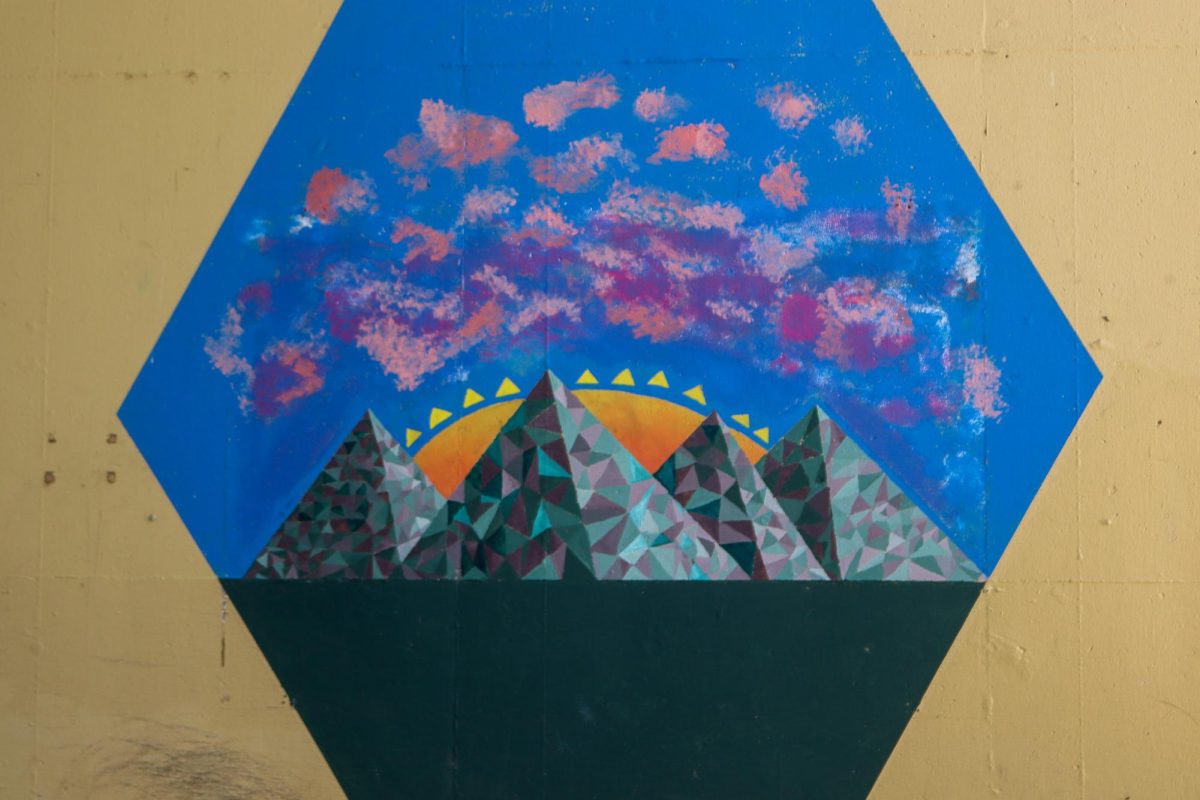
Graffiti and street art can be found everywhere, from tags in cities to murals in Marin County today. What some might view as creative art and self-expression, others might see as destruction and property damage. As street art becomes more commonly seen today, the ongoing debate questions how we should define art in public spaces.
The disapproval of graffiti comes from its many interpretations. Supporters believe that it gives artists a voice and creative freedom to share important messages. Art provides messages that convey political and social messages on current-day events that reach the public in ways that can be more impactful than how we process these messages and events otherwise. Street art can be linked to activism, which draws attention to issues that previously could have been ignored.
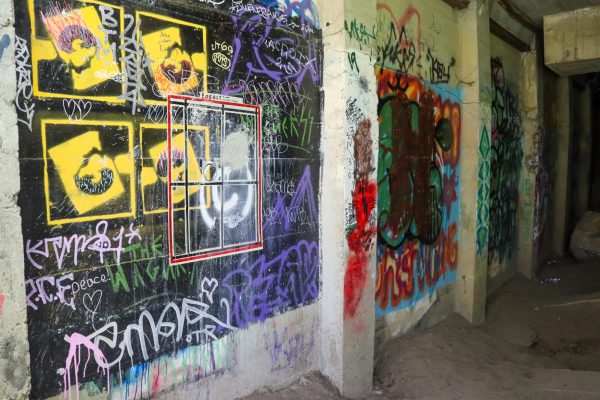
Critics, however, argue that graffiti is still vandalism, when done without permission, damages property. No matter the intent or message, vandalism on someone else’s property could create large expenses and problems for the property owners. To these property owners, the legality and respect of graffiti matter more than the form of expression. This presents the question: when does public art turn into vandalism?
The answer lies more in the perspective of what is believed to be “right” or “wrong”. Believing whether it’s about legality is more of a choice than wondering what the intention and the effect it could have on the community. A mural, for example, is often valued and inspiring, even if its creation bends traditional rules.
While some focus on the artistic expression of graffiti, others focus on its legality and the consequences it may hold. Both views shape how people in society view art today.
The concept of graffiti and street art is important to take into account. It can improve neighborhoods and give artists a way to express themselves outside of traditional forms of artistic representation like art galleries or showings. Also, graffiti and activism have gone hand in hand throughout history, bringing attention to important issues within society. Society allows these expressions that were once considered illegal to be viewed as important, valued pieces of art.
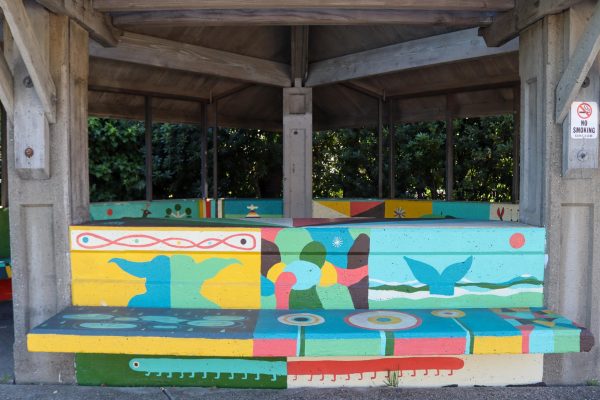
However, artistic freedom should come with a level of respect. Art should not ignore the requests of those who wish to work or live in a space that they would like to keep “graffiti-free.” Public art feels most powerful when it not only reflects creativity, but also the consideration of the community around it.
The argument surrounding vandalism comes from the fact that graffiti is often created without permission, leaving damage to both public and private property. Cities, businesses, and homeowners have to pay for the cleanup and repair costs. Some also believe that tags can make neighborhoods appear neglected and unappealing to the eye.
Art itself is subjective. So, giving a clear answer to this question isn’t really logical. What one may see as inspiring, another may see as destroying. Yet, art remains a fundamental part of community, emotion, and expression. Creativity deserves a place to be shown in public areas, and not just areas specifically created for its showing.