

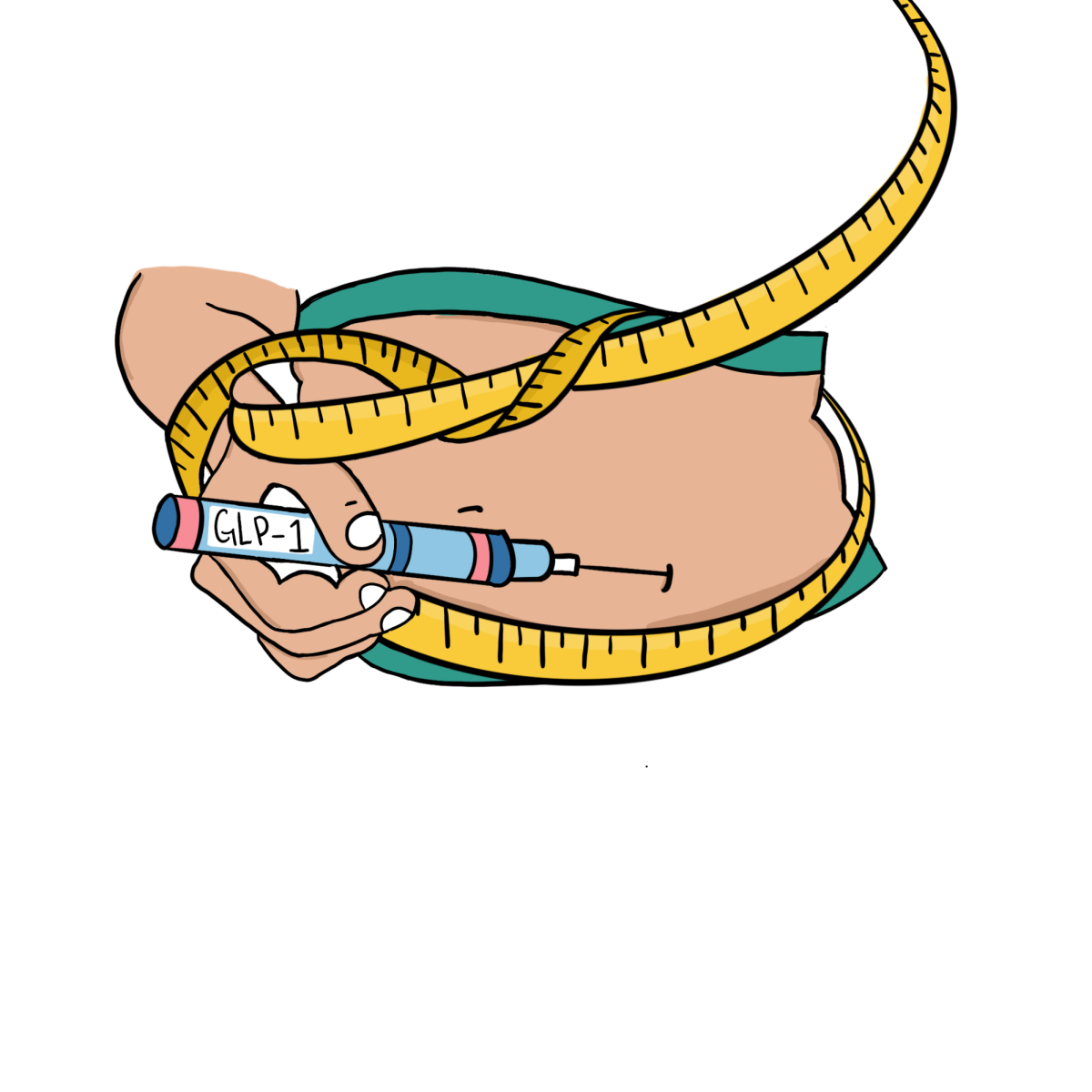
As of mid-2025, nearly 12 percent of U.S. adults have used glucagon-like peptide-1 (GLP-1) drugs for weight loss or diabetes, a number that has tripled since 2020, with high interest particularly among women aged 50 to 64. According to the Cleveland Clinic, these medications help limit blood sugar by binding to GLP receptors to trigger the effects and inhabit the role of the GLP-1 hormone. This slows gastric emptying, creating prolonged feelings of fullness, which helps reduce appetite and calorie intake, leading people to lose weight extremely quickly.
Although using GLP-1 medications might seem enticing, it can ultimately lead to addiction and long-term usage. According to a study in Scientific Reports, researchers have investigated the impact of GLP-1 receptor agonists (RAs), specifically Liraglutide and Semaglutide, on the risk of developing psychiatric conditions, such as depression, anxiety, and suicidal ideation, in patients with obesity. Essentially, GLP-1 is a passive gateway into weight loss, promoting brain signalling for a smaller diet, but with frightening potential impact on psychiatric health.
Furthermore, because most people must take GLP-1s for life, patients who stop the medication frequently regain significant weight. Celebrity Gabriel Iglesias is a notable example of this “yo-yo” effect, and data suggest that half of patients stop taking the medication within one year and 70 percent within two years. After discontinuation, most patients regain a significant portion of the weight, reversing their initial progress.
Putting unknown substances into the body is a common theme that has marked the twenty first century. From artificial food dyes to weight-loss injections, there is often a disconnect between what people consume and their understanding of its digestive impact. While GLP-1s seem like a flawless miracle drug, the side effects that come with abuse outweigh what users are losing. Gastrointestinal issues are one of the biggest problems caused by GLP-1s, with over 70 percent of users reporting nausea and vomiting after starting or increasing the dose.
Misuse, reported in roughly 2.2 percent of users, often involves obtaining drugs via online platforms that lack strict medical oversight. Users occasionally utilize the potent drug outside of medical purposes, aiming to lose minor fat without having to put in the work. Many abusers suffer from body dysmorphia, becoming estranged from their image in the mirror, and attempt to cut the “unnecessary weight” by illegally buying GLP-1s.
Massachusetts General Brigham researchers found that GLP-1s can reduce muscle and bone tissue, leading to ketosis (loss of muscle mass), which is particularly dangerous for older adults. GLP-1s reduce caloric intake in terms of proteins, fats, and carbs, which are necessary to make glucose, the body’s primary source of energy. When the intake of these is reduced, the brain struggles to make glucose, resorting to breaking down fat and muscle mass for energy.
GLP-1s aren’t the solution to obtaining your dream physique, but rather a pharmaceutical intervention that demands commitment and poise. While the rapid weight loss they provide can be life-changing for those with metabolic conditions, it’s clear that these medications are not a safe shortcut to health. True wellness comes from discipline, time, and dedication, not catabolic prescriptions.