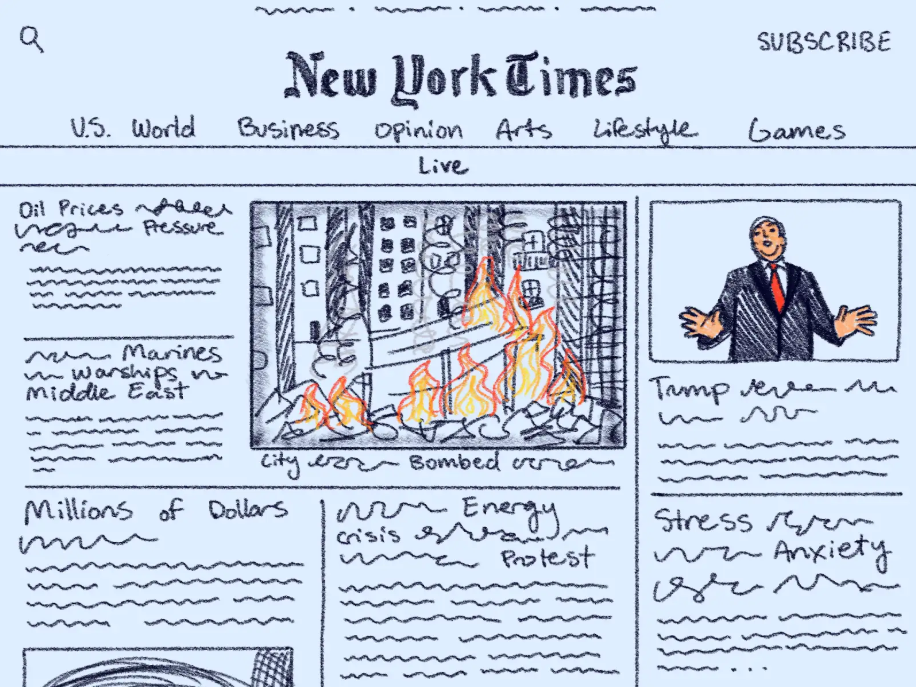


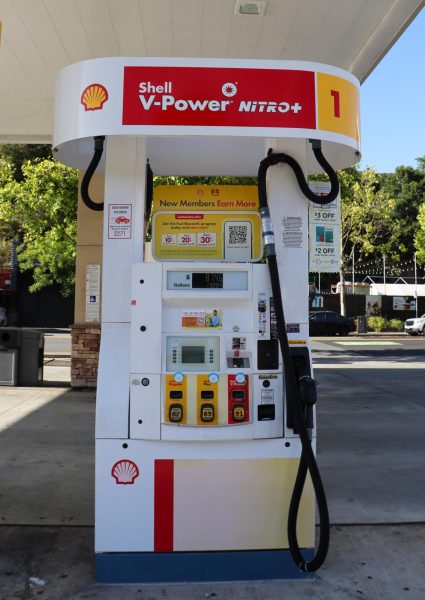
As of late April 2026, Marin County has some of the highest gas prices in California, with the current average at around 6 dollars per gallon. Inflation has increased in gas prices across the United States due to the global energy crisis caused by the conflict in Iran. How do these high costs affect students who need to pay for them on their own? And how long will these prices stay?
Getting a driver’s license has always been a rite of passage for high school students. The freedom of driving to practice, going out with friends, or simply getting to school by yourself feels both exciting and empowering. However, that excitement can quickly disappear when students hit the gas pump and end up paying upwards of a hundred dollars for a full tank. Students at Archie Williams have felt this pain, especially in recent months.
Though it seems most recently licensed students don’t feel the motivation to walk or bike, it can be a beneficial alternative not just to save money, but to also reduce personal carbon emissions. Biking instead of driving can reduce your transportation-related carbon emissions by up to 67 percent for every trip. Since the bike is powered by human motion instead of gas it is an amazing way to not only reduce your carbon footprint, but provide healthy exercise. Walking or biking regularly can improve your physical health and help students become less dependent on valuable resources, such as gas.
For many students, gaining a sustainable income to pay for gas is not an option. High school students often have busy schedules and limited time to work, making it difficult to cover gas expenses. This creates a challenge for those who have to support themselves when paying for fuel, and balancing a steady income with academic responsibilities can feel impossible.
According to Georgetown University, college students, especially those with long commutes, are voicing concerns about rising gas prices and the cost of traveling to their campus, internships, and jobs. For high schoolers in Marin, where driving is often necessary to get to school, practice, and part-time jobs, this problem is just as severe.
Unfortunately, gas prices will most likely continue to remain elevated throughout the summer of 2026, although some argue that there will be a peak and then a decline. Gas prices in the US experienced a significant spike in March with a 21.2 percent increase, the largest spike on record. According to Fortune, elevated prices could persist through 2026 and 2027. If prices remain at current levels, students will spend hundreds of dollars each month just to commute to school, practice, or work.
Rising gas prices are making it increasingly difficult for Archie Williams students to balance sports, academics, jobs, and the cost of driving. What should feel like freedom and independence for recently licensed drivers has instead become another source of financial stress.
Some viable options for those who are struggling under these steep prices are walking when possible, carpooling to and from school or after school activities, and dusting off your bike and taking advantage of the beautiful spring days. Though gas prices will most likely continue to rise, we should take advantage of this circumstance to reduce our carbon footprint.