
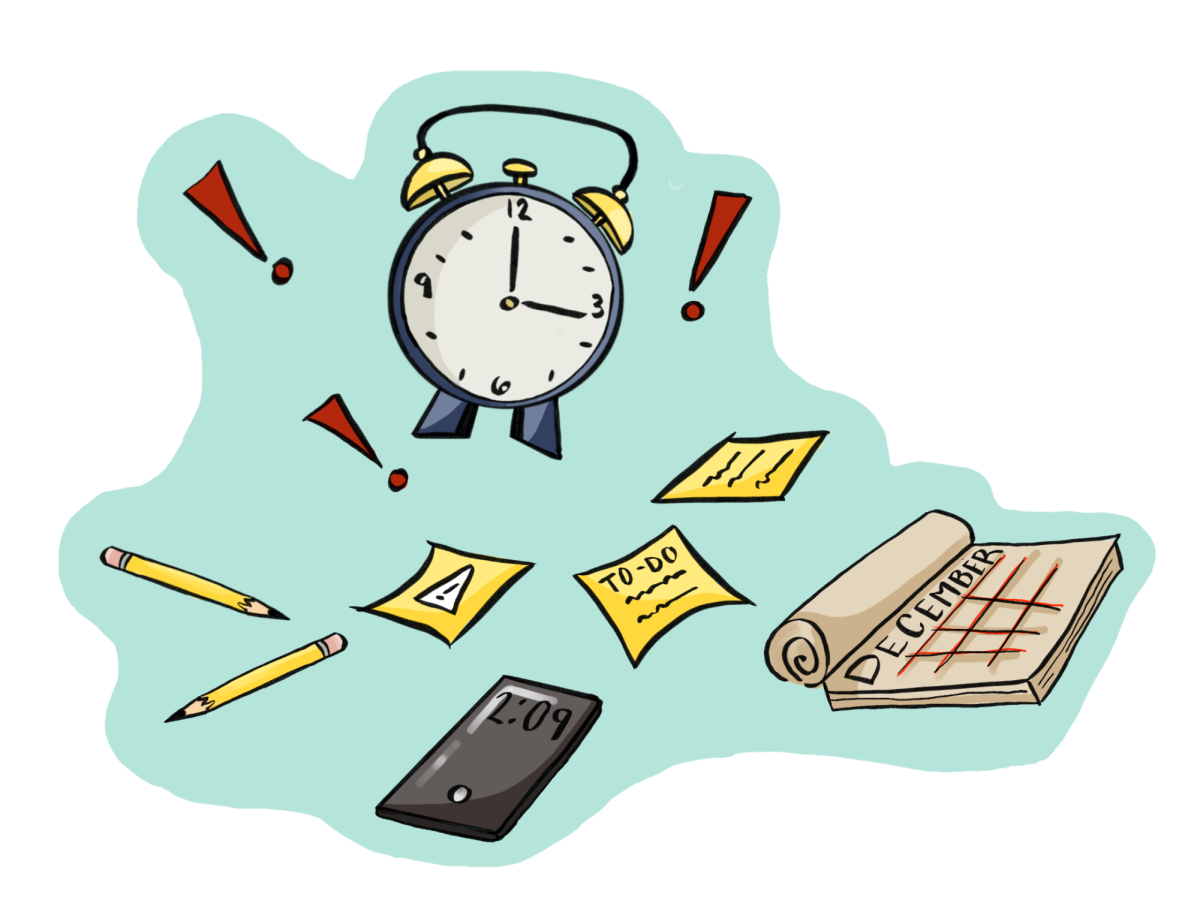
After a long day of grueling classes and social interactions, opening a computer or textbook to complete homework or study is something some students would rather do at the last minute. It can feel nearly impossible to resist the urge to leave the assignment for the next day. Procrastination is a common occurrence among young adults; a 2024 study found that 98 percent of adolescents procrastinate, with 60 percent at high levels of procrastination and 10 percent at very high levels.
Despite such high levels of procrastination, Archie Williams counselor Kyle Kassebaum, believes that students can overcome procrastination with practice.
“A big thing is to not put yourself in that box, that [you’re a procrastinator]. It’s something that you’re doing that can be worked on, and it takes practice, just like shooting three pointers or doing pirouettes in ballet,” Kassebaum said.
Students have different approaches to procrastination, both with schoolwork and with chores at home. Archie Williams English teacher Beth Freedman finds that her students demonstrate procrastination in two different ways.
“What we see in the classroom with procrastination is your basic diversionary tactics, socializing, getting off task, frequent bathroom or water break requests, those are the types of behaviors that can indicate a student is simply a procrastinator. Then, when the project or assignment deadline comes in for the first of several assignments, you will usually start to notice the students who either do not submit on time, or who will email you at the 11th hour and ask for extra time on that assignment,” Freedman said.
When students lean into academic procrastination, the risk of poor academic performance or failure increases. Kassebaum notices that this occurs when students pile up leftover assignments to finish at the end of a grading period.
“If you get into a procrastination spiral and are doing it in multiple classes, suddenly you reach the end of a semester or grading period and realize you’ve put off work in all your classes. You find yourself having to pick and choose where to put your effort, which can really affect your grades,” Kassebaum said.
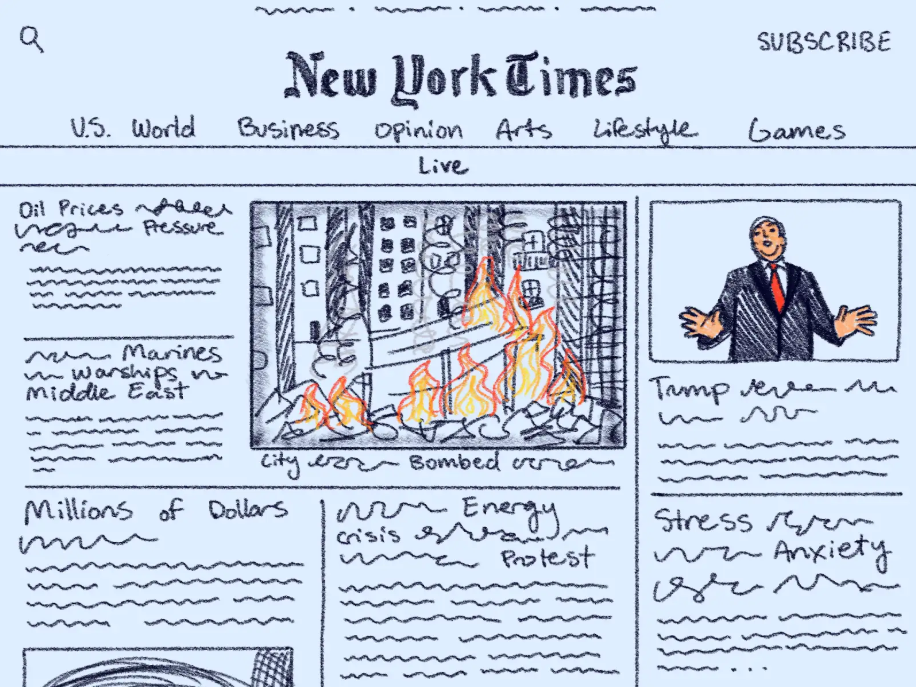
There is a higher probability of stress when procrastinating, according to a study done by the National Library of Medicine where perceived stress and negative emotions were positively correlated with academic procrastination and positive emotions were negatively associated with academic procrastination. Moreover, Regan A.R. Gurung, PhD says that students who text during lectures do worse on quizzes. Archie Williams freshman Eleanor Kolek finds technology to be personally distracting.
“[Technology] definitely affects my procrastination negatively because I’ll check the time or a message, but then I’ll get sucked into something else and be distracted and end up spending more time than I intended to,” Eleanor said.
Moderate procrastination can be helpful because it gives students time to think through the assignment or chore, fostering creativity and a plan. However, procrastination eventually reaches a point where individuals are unable to thoughtfully plan the task, which reduces creativity and creates pressure.
Moderate procrastination can also improve decision-making by allowing the brain to consider multiple perspectives and make more deliberate choices, rather than impulsive, rushed ones.
Although occasional procrastination does not guarantee any long-term effects, chronic procrastination can lead to anxiety, stress, and academic failure. Ultimately, procrastination is not harmful in moderation, and students can find ways to conquer it as a frequent habit, such as setting certain times for homework or chores.