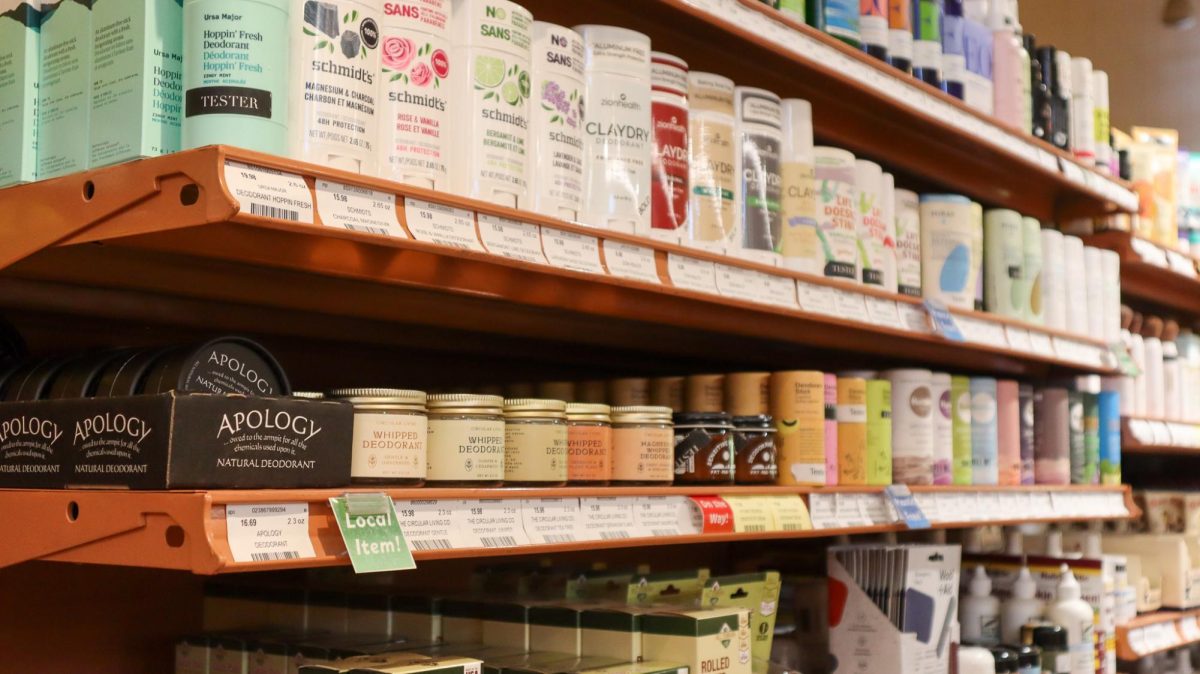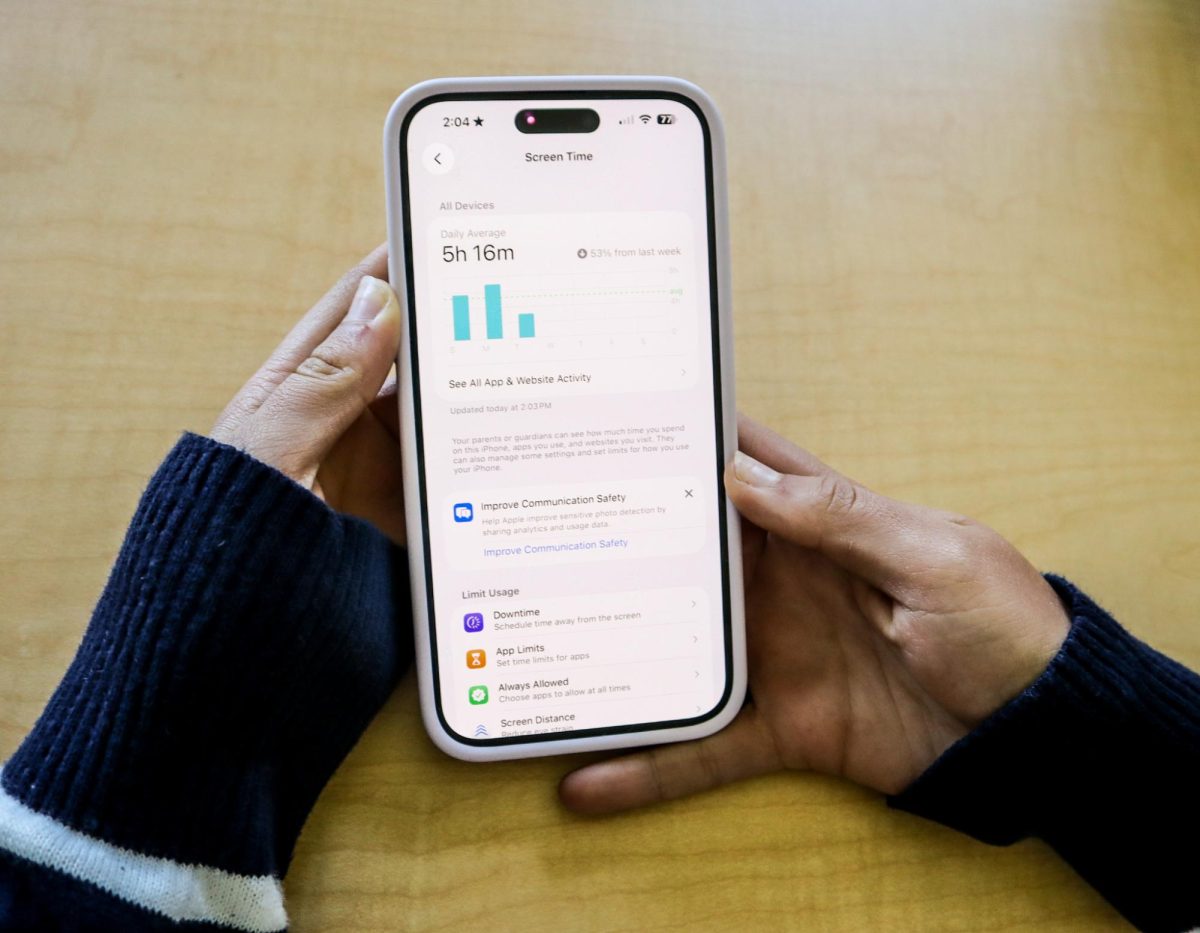


The wellness industry is fueled by a massive market currently valued at 6.8 trillion dollars and growing, primarily driven by increased time spent on social media apps that advertise wellness to younger generations. Teenagers are consistently exposed to addictive algorithms through social media that prioritize engagement over well-being. Current online trends include emotional health and fitness, creating demand to buy products that address individual issues.
The Global Wellness Institute defines the wellness industry as businesses and services that aim to help customers incorporate aspects of health and well being into their daily lives. Social media poses as a crucial marketing source for wellness products, and often deceives teenagers and young adults under 25 whose brains aren’t fully developed. Alex Ewers, director of communications at Screensense, an organization designed to help parents with their children’s screen time, discusses the impact of social media on teenagers’ wellbeing.
“Brains where the prefrontal cortex is still developing have a harder time managing apps, tools, devices that require a lot of self-discipline, and a lot of the tech apps and devices require a significant amount of discipline and understanding. Brains that don’t have yet a developed prefrontal cortex have a harder time with impulsivity. Someone who’s more insecure still developing their prefrontal cortex has a harder time sort of managing big emotions of insecurity,” Ewers said
Social media platforms profit from engagement, and the insecurity of youth has similarly served as a fundamental tool for the multi-trillion-dollar wellness industry. A teenager who feels insecure about things such as physical appearance will scroll for longer periods of time and return more frequently due to deceiving algorithms. Applications like TikTok and Instagram use behavioral data to grow their platforms, which means they analyze how long viewers spend watching videos, what they search for, and what users rewatch.
“I spend a lot of time on social media and I think the media I see matches what I like. For example, I see a lot of videos about makeup and this makes me want to scroll more because I’m interested in it,” sophomore Eva Montgomery said.

(Noa Michel)
Rates of anxiety, depression, and negative body image heavily increase after exposure to social media. The National Library of Medicine expresses that platforms like Instagram and TikTok have added to problems of poor mental health since there is constant exposure to idealized images. Regardless of psychological issues from digital platforms, individuals tend to turn to online media for health information rather than trusted professionals. This sets up a system where false information is given, and the wellness industry profits from unverified claims.
“For young people who are on social media and have it accessible to them all the time without any limits or guardrails on it, that is influencing all aspects of their lives. It’s the messaging around wellness and beauty and it doesn’t give teens and young people the ability to make some decisions on their own because it’s so constant in their experiences,” Ewers said.
As reported by Psychology Today, digital platforms appear to promote misleading health information and unrealistic body images or primarily targeting female viewers. Additional research has shown that content specifically designed for weight loss is the most inaccurate among wellness trends, driving the desire for certain products to resolve the individual’s problem. Eva believes that there is a connection between social media and low body confidence.
“I know a lot of people on social media that are constantly online that see unrealistic influencers and want to look like them. They then gain disorders around food and have negative body image,” Eva said
In 2024, a reported 86 percent of Americans turned to online platforms for advice on health rather than a doctor. Users are expected to navigate through misinformation from influencers while researching health and wellness information. Archie Williams wellness coordinator Beatrix Berry expresses that social media apps have become prominent in shaping individuals’ perspective of personal health and purchases.
“The more you see something, the more influential it can be, and especially when there are links and an ad pops up to buy something I think it’s really influential and easy to do. It’s important to know what you actually want before you purchase something,” Berry said. “It’s super easy to compare yourself to people that you’re seeing online, especially when they’re making videos saying, ‘This helped me do this,’ or ‘This is a product I really use.’”
Social media usage consistently continues to increase, leading to popularity of online shopping. As a result, younger generations are turning to skincare products and wellness tools, such as nutrition products and fitness trackers, due to intense social media exposure and pressure. Disordered eating, negative body image, and low self esteem are consequences of misinformation in the wellness industry. With the widespread use of digital platforms, creating a healthy relationship with online media and avoiding mindless scrolling is critical to shield from the spread of false information.