


High-intensity athletes push their minds and bodies to the limit, but taking rest days in between the pain and the training is crucial for an athlete’s mental and physical health. According to UCLA Health, “Resting or taking a day off after intense training can be particularly helpful.” So what makes a rest day beneficial?
One of the most significant benefits of proper rest is injury prevention. Allowing the body to rest and fully reset can prevent excess strain on its muscles that ultimately leads to injury. According to the Archie Williams athletic trainer, Maryah Cohen, without proper recovery, small damage can lead to serious injuries and hinder athletic performance.
“Any damage done during physical activity needs rest to repair. Otherwise, you’re just continuing to compound any structural damage that you’ve done during that activity,” Cohen said.
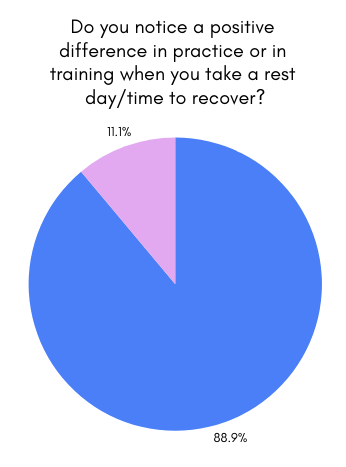
Additionally, sports training can exhaust athletes’ immune systems, especially in higher-level athletes who train for hours each day. According to the Sports Science Institute, rest days play a crucial role in preventing sickness by allowing the body to fully recover and ensuring that the immune system properly rebuilds. The immune system does most of its repair work during sleep, so prioritizing quality rest is one of the most powerful ways athletes can support recovery. Varsity basketball coach Mike Clagett expresses the importance of a rest day for his team.
“I tell my players to rest their minds and rest their bodies, try to get as much sleep as they can. For us, it’s basketball, so trying to get away from running around and being on your feet [when we’re not playing.] We go six days a week, so it’s a lot on their bodies,” Clagett said.
Recovery periods can be beneficial mentally as well, especially after long weeks of training, which can be draining to athletes’ psychological well-being. Giving the mind time to recharge can improve an athlete’s mood, sharpen their focus, and help them return to practice with an improved mindset. Senior Brooke Lee has experienced overtraining, exhaustion, and injury firsthand.
“I’ve had experience with injuries due to overtraining. I think it’s an important part of the learning process and common when you’re working hard in a sport. When I overtrain, I have to take breaks and consider what areas of my training I have to get more resilient in and what I can improve when I get back to regular training,” Brooke said.
A beneficial rest day for athletes starts with an ideal amount of sleep, which can range from nine to ten hours, says the National Library of Medicine. Proper hydration, active recovery such as stretching, and optimal nutrition also help the body to rest and recover. In order to maintain a healthy recovery process, it is important to nourish the body with what it needs to repair itself.
Ensuring you get proper nutrition and hydration will make sure that the body is replenishing its energy for its next workout or training session. Notably, things like adding electrolytes to the water can help hydrate the body faster, therefore speeding up the recovery process. Incorporating active recovery also plays a key role in healing. Gentle movement increases blood flow, which delivers nutrients via the cardiovascular system and removes damaged tissue from overworked muscles.
A lot of common sports cultures suggest that taking time off causes athletes to lose progress, but this is not the case. It is very common for coaches and parents to encourage athletes to train as much as possible, overlooking the fact that muscles grow during rest, not training. According to Healthline, a rest day isn’t just about lazing around; it is about keeping blood flow and light movement, allowing muscles to grow and the benefits of exercise to take place.
Rest days are not a sign of weakness or lost progress, but an important component of athletic success. By preventing injury, strengthening the immune system, and supporting both mental and physical recovery, proper rest allows athletes to perform at their highest levels. In a culture that often praises constant training, recognizing the value of recovery ultimately leads to strength and sustainability.