


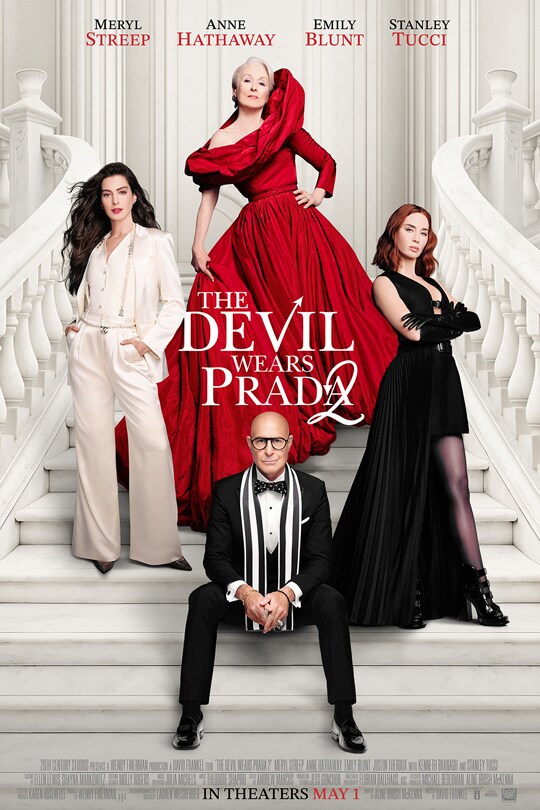
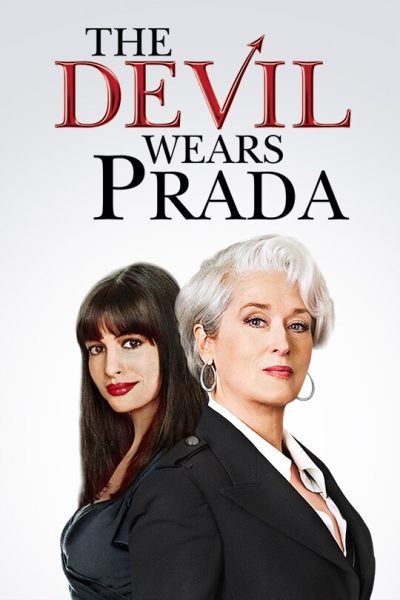
On June 30, 2006, the well-known comedy drama The Devil Wears Prada, directed by David Frankel under 20th Century Studios, was released after premiering at the LA Film Festival June 22. Based on the 2003 novel by Lauren Weisberger, the movie starred notable actors such as Anne Hathaway, Meryl Streep, and Emily Blunt. Resonating with audiences through its portrayal of professional ambition, the film was a commercial success, ultimately earning a sequel set to release May 1, nearly two decades after its debut.
A classic 2000’s “chick-flick,” The Devil Wears Prada follows protagonist Andrea “Andy” Sachs (Anne Hathaway), an aspiring journalist with little interest in the fashion industry, who finds herself in the employment of Miranda Priestly (Meryl Streep), the editor-in-chief of the prestigious fashion publication Runway. Andy’s role as Miranda’s personal assistant proves physically and mentally exhausting as she struggles to meet the high demands of her boss.
Mocked and belittled by the high-stakes world of fashion journalism, she sacrifices her personal relationships, sense of identity, and loses sight of her original goals in the process of becoming Miranda’s perfect assistant. Under mounting pressure and influence from her colleagues Nigel Kipling (Stanley Tucci) and Emily Charleton (Emily Blunt), she begins to transform, professionally and personally, until she is ultimately forced to choose between her career ambitions and preserving her authenticity.
Exploring themes of power dynamics and the cost of success within those systems, The Devil Wears Prada highlights issues that permeate the everyday workforce. The film also serves as a critical examination of workplace culture and the toxicity of the fashion industry. Andy witnesses firsthand the unforgiving hierarchy of the esteemed fashion publication where power is concentrated at the top, reinforced by loyalty, fear, competition, and the authority of Miranda Priestly herself.
Toxic workplace expectations force Andy to not only work long hours, straining her personal life and relationships, but also to endure intense pressure and normalized humiliation. The film raises broader questions about the sacrifice of corporate achievement and examines the meaning of success as defined by elite institutions.
Miranda Priestly’s authority highlights this theme, as Streep portrays her as both aspirational and isolating. While her influence comes with great power over people’s careers and worldwide trends, it comes at the expense of her personal connections. Throughout the movie, Miranda demonstrates an air of emotional detachment, yet struggles with a deep loneliness and discontent with her family life.
With its sharp critique of workplace culture, the film was met with widespread acclaim upon release, with critics and audiences alike praising its execution and engaging narrative. Meryl Streep received particular recognition in her role as Miranda Priestly, winning a Golden Globe for Best Actress-Motion Picture Musical or Comedy in 2007 and nominations for several other prestigious awards, such as the Critics’ Choice, British Academy Film Awards (BAFTA), and the Screen Actors Guild (SAG). Overall, the film grossed over 326 million dollars worldwide and has a 75 percent rating on Rotten Tomatoes, with an average score of 6.7/10.
The upcoming sequel, The Devil Wears Prada 2, will release May 1; hopefully it delivers on similar themes and successfully extends the plotline of the first movie with a fresh, modern take, while preserving the 2000s vibe of its predecessor. Original cast members Anne Hathaway (Andy) and Meryl Streep (Miranda) are returning for the new production, creating a cohesive timeline between the 2006 film and the 2026 sequel. A multi-decade gap between the movies could lead the newest addition to fall flat; however, if the central ideas of personal determination, challenging power dynamics, and the importance of connection endure, they will contribute meaningfully to the iconic narrative.
Encapsulating the common struggle of being valued in the workforce by people in higher positions, the movie’s ability to portray these themes uniquely and playfully makes it a classic. While it may not have the most riveting storyline, The Devil Wears Prada earns a four out of five feathers with great anticipation for its sequel.